 This week saw Babergh District Council consider its Core Strategy. In many ways it is an admirable document setting out how the District might develop over the next twenty years. However, deep within its detail are what could be considered serious threats to the Hadleigh’s well being. Kathryn Grandon moved an amendment to the approving resolution pointing out that the commercial area allocated on the map is in the wrong place. The commercial area should not have to share street space with residential areas. Residential streets should not be sharing space with diesel lorries accessing their places of business twenty four hours a day. An illustrative map indicated the possibility of an industrial corridor to the east of Hadleigh. This will become an eastern barrier to further development since no one will want to be separated from the town by a commercial area. The commercial area should not be alongside the residential area. Instead it should be on a site having easy access onto the A1071 (the town by-pass) Once again we have a community being led by the Council but not in a way which will enhance its future prospects. The amendment went down by more than thirty votes to six. One of the Liberal Councillors for Hadleigh voted against the amendment citing the need for a decision to be made. The Core Strategy has now been approved and has been published to the Towns and Parishes for further consultation. Then it goes to the Planning Inspectorate for comments and approval. Meanwhile people similarly minded to Kathryn and myself are looking at how one influences the Planning Inspectorate – as Babergh does not appear to be listening.
Year: 2012
Watching the Gimbals
There’s a continuous theme in the film Apollo 13 where Mission Control  is telling the crew to watch their gimbals. The gimbal being a device which indicates balance. There are many parallels in our other lives. Where was the balance in the Spanish banks? Deposits control your ability to lend and your asset and liability policies control what you can do with the money. Which is why the Spanish banking crisis is interesting as the asset policies obviously did not specify a prudent limit on financing speculative building. This week I attended a Revenues and Benefits Committee meeting. This committee comprises representatives from the three partners (Babergh, Mid Suffolk and Ipswich Borough Councils) and the Management of the Revs and Bens Joint Venture. The management report advised of that annual costs were ahead of budget and that technical and integration issues were being worked through. So three cheers all round. However a disturbing picture emerges when you look at the “customer related ” performance trends. The accuracy of benefit processing over the year (for Babergh) was 96.2% in April 2011 and 87.5% in April 2012 which indicates that in 2011 the reject rate was one in twenty six and in 2012 it was one in eight! The worst month for accuracy was February when only 78.3% of the benefit processing was accurate. Similarly the time taken to process new claims deteriorated from 19 days to 34 days. Why is it that the drive for efficiency afflicts the disadvantaged and vulnerable – that’s why they are on benefits? Meanwhile it has been suggested that I talk to the Head of the Shared Revenues Partnership and I look forward to the next meeting of the Committee in July. What about the gimbals? Well when you concentrate on the wrong things you’re liable to be found on the wrong side of a mis-match when Nemesis catches up with Hubris.
The Last Gunfight
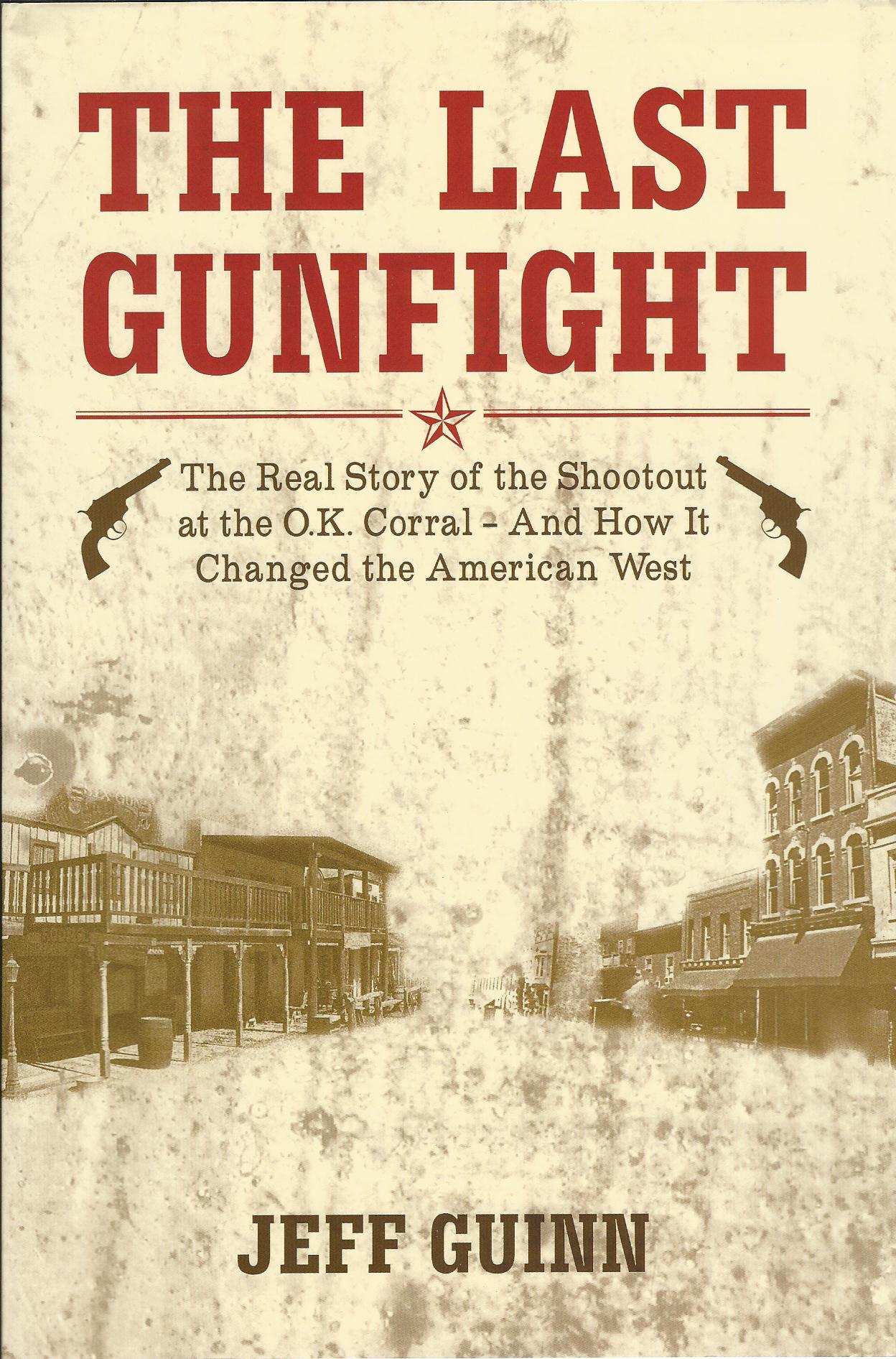 I have just read The Last Gunfight by Jeff Guinn. The book details the circumstances leading up to the Gunfight at the O.K. Corral. There are various strands which lead up to the gunfight. The ambitions of the Earp family to find their fortunes. The similar aims of other lawmen, ranchers and cowboys. The play of politics in the election of officials (sheriffs had responsibility for collecting taxes for which they kept a percentage), philosophical views of governance (too much or not enough government) and the desire of the Tombstone businessmen to have a nice town whilst still parting rowdy cowboys from their money. The gunfight produced the immediate deaths of Billy Clanton and Tom and Frank McLaury. The Earps came out of the inquest with their actions being excusable and justifiable by law. The gunfight and the inquest did not stop the animosity between the Earps, Clantons and the cowboys. The book infers that the Earps finally lost patience with their enemies, tracked them down and executed them. In most cases this was permissible as there were outstanding warrants against their enemies. The book has a number of interesting vignettes but my favourite quote is from the historian John E. Ferling “events by themselves are unimportant; it is the perception of events that is crucial”. The shoot out was an arrest gone wrong and the result of complicated social, economic and political issues which left eight men dangerously mistrustful of each other. A very good read and a healthy antidote to the glamourisation of the Wild West.
What No Bunting!
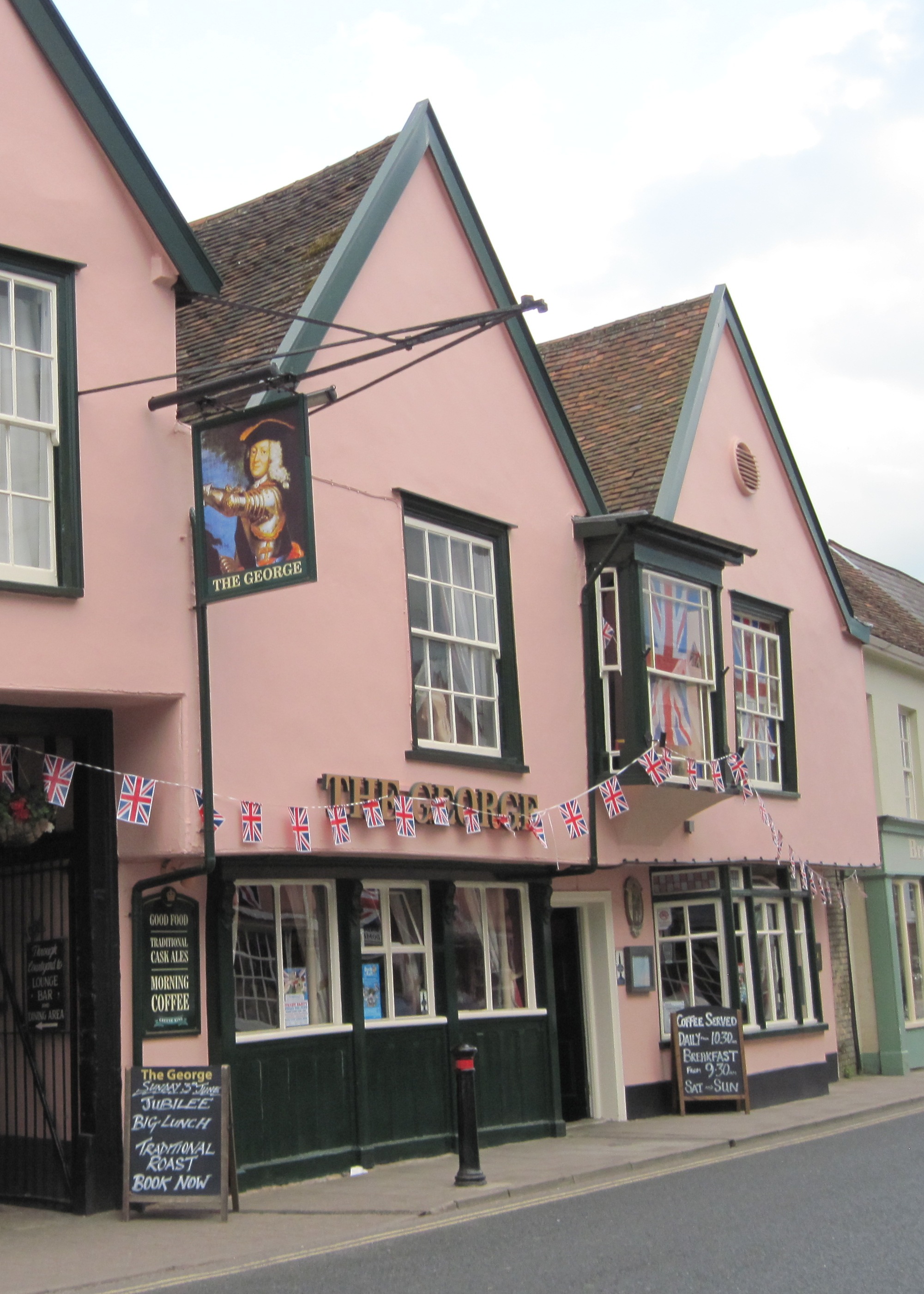
We have no street bunting in Hadleigh for the Queen’s Jubilee.
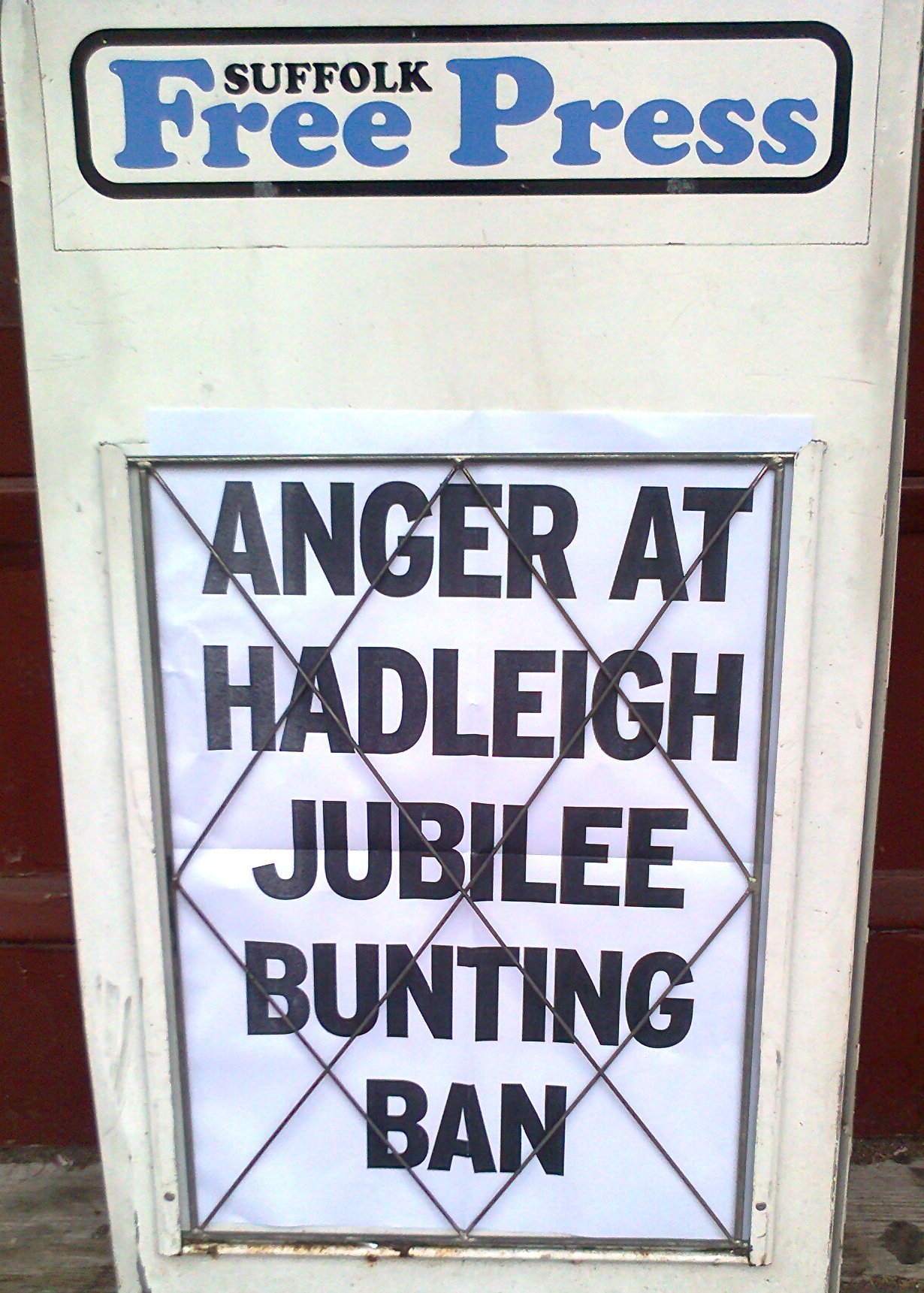
According to the Suffolk Free Press Town Clerk has said that “the authority has been informed the bunting was not allowed in the (High) street which is a conservation area, for fear of the damage it would cause to historic buildings. Under health & safety regulations, and due to the listed buildings we can’t put the bunting up”.
But yesterday the E.A.D.T. reported that the Town Clerk had confirmed that the reports were simply untrue. Instead “It would be physically impossible to attach it (the bunting) at a high enough level for vehicles including big lorries that regularly use the road to avoid it. Meanwhile the Town has commissioned the local Brownie and Guide groups to design and make bunting which will be zig-zagged across the street this week end when it is closed to traffic. If this is logistically impossible it will be draped from the buildings instead”.
Apparently Long Melford which is equally historic has bunting. There is no across the street bunting in Hadleigh but plenty on our buildings.
The newspaper advertising boards say it all:

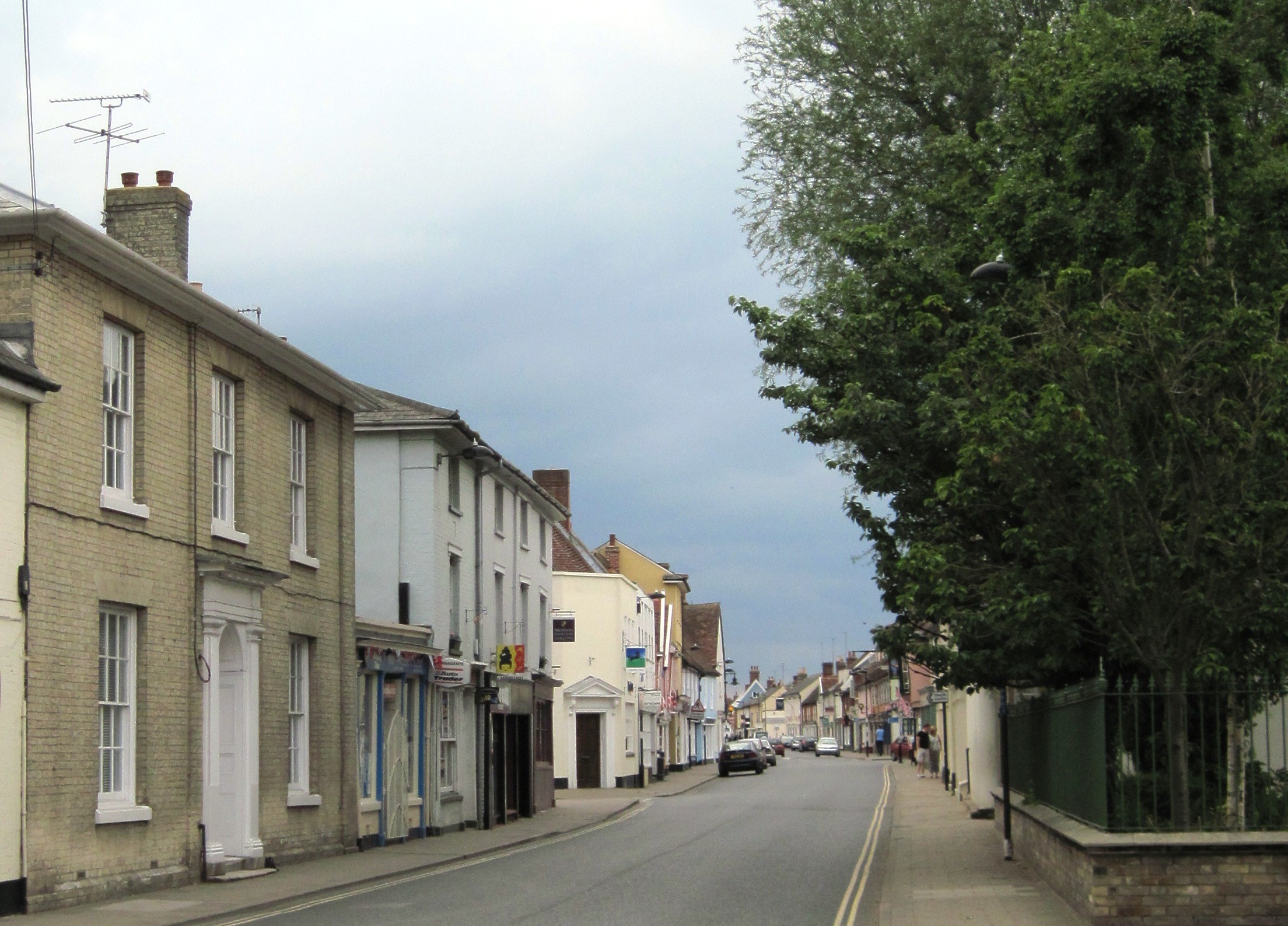


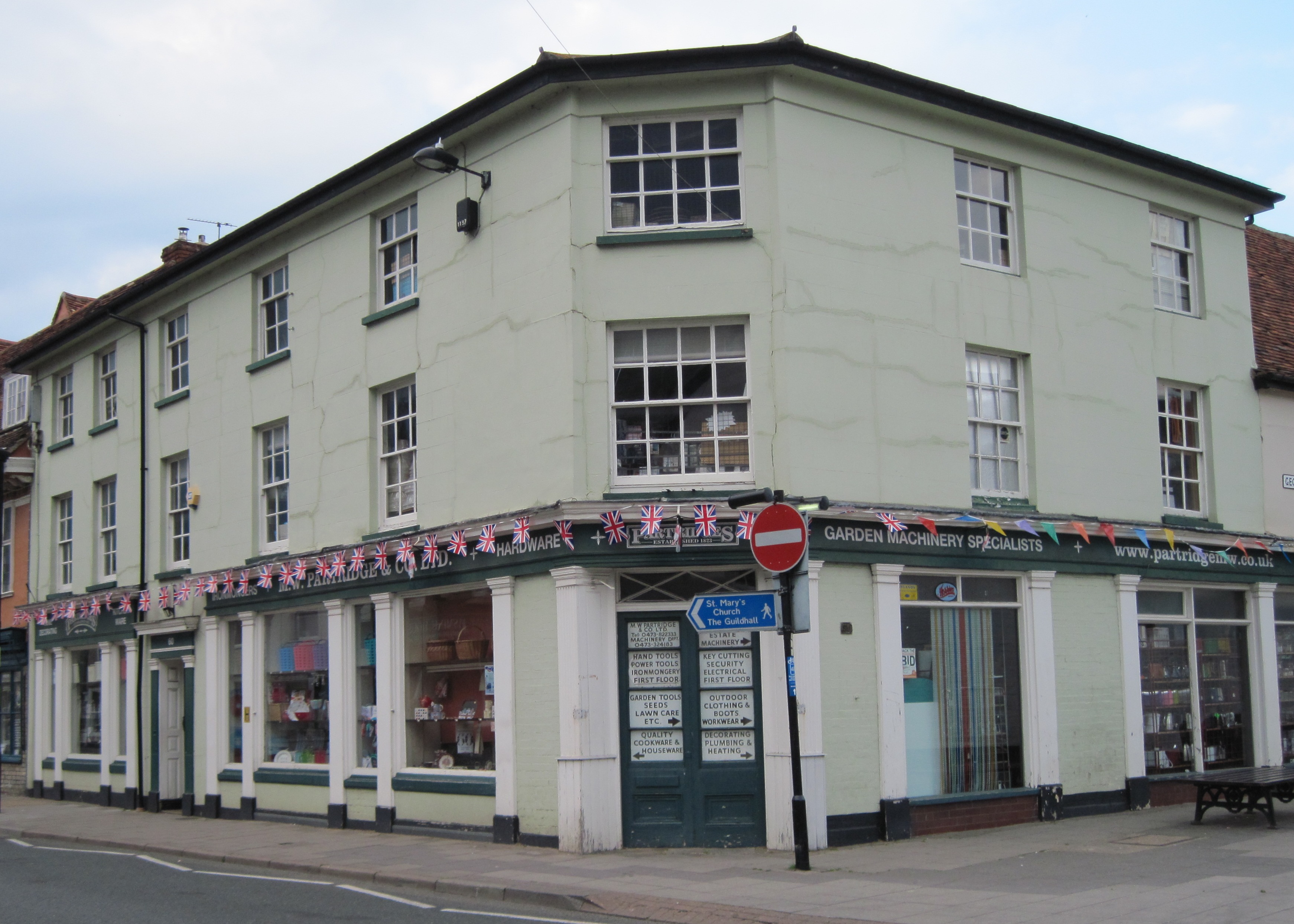

On the Buses
For som e time, Simon Wills, Shelley Pingo, Kathryn Grandon and I have been agitating for Suffolk County Council to restore the subsidy which was previously given to the later evening bus services from Ipswich to Hadleigh. Simon provided the legal research and a lot of lobbying muscle, Shelley collected over 3,750 signatures and Kathryn & I provided our political skills and connections in getting the idea in front of the right people. The funding was withdrawn last year and the bus operator stopped operating the service. Since that time Hadleigh has faced an evening curfew and has been marooned on Sundays and Bank Holidays. On these days we could be a desert island as far as public transport collectively is concerned. This has had social, educative, community and economic consequences for Hadleigh. Our residents have no local train options, entertainment options or higher education options. To take the train, visit the cinema, attend college and many other things residents have to visit Ipswich. And if that involves a journey after 6 p.m., they are stuck. Such opportunities are open to those who have access to a car. Suffolk County Council allowed us to speak to the Council on Thursday. I was delegated to do the deliver my speech of a lifetime. Thankfully the Council had listened to our earlier presentations and have agreed to a trial six month restoration of the later evening, Sunday and Bank Holiday bus services. This will aid economic recovery , enhance sustainable growth and plug the social gaps.
Because whether you are in catering, retail, hospitality, leisure, medical or manufacturing work patterns require you to be able to get home after six fifteen in the evening! We need the bus service – otherwise we are cut off from economic development, educational opportunity and enhanced leisure activity. Thankfully from August onwards we shall be back on the road after 6.15 in the evenings.
Well done, Suffolk County Council.

Cat People vs Dog People
 MindJet is a planning software company, probably best known for MindMaps which I often use for event and other planning. Their blog http://blog.mindjet.com/2012/05/between-fluffy-and-rover-cat-people-vs-dog-people discusses personal styles of analysis, planning and problem solving based on the characteristics of dogs and cats. The following is an extract from their blog There are clear personality differences between the species that, in turn, attract different types of owners (or guardians, to use a more pet-centric locution).
Both in the wild and at home, cats are solitary creatures most active at dawn and dusk. During the day, cats often seem indifferent to your presence. While cats enjoy playing with their owners or with other cats, their interest is often limited. Cats are aloof creatures who enjoy their personal space and dislike orders. Many will look at you with condescending pity if you command them to “sit” or “lie down.” Many—but certainly not all—cat owners are predisposed to solitary, intellectual pursuits that require a minimal amount of human interaction. At work, cat owners may prefer closed-door offices and minimal interruptions Dogs, like their wild canine ancestors, are sociable pack animals. Without daily walks, hour-long stick throwing-and-retrieving sessions and ample belly-rubbing, dogs will become surly, morose and prone to dig out your flower bed. Still, there is always a quiet dignity about dogs and an admirable sense of loyalty, which is why they are often referred to as “man’s best friend.” Many dog owners are social individuals who value time spent amongst their friends and peers. At work, they may prefer open office spaces with plenty of room for interaction and group projects. On the weekend, they may escape the confines of the city for the wild open spaces of the country. Dog people are often described as jocular, engaging and outgoing, and not at all opposed to being scratched behind the ear.
Hadleigh Show
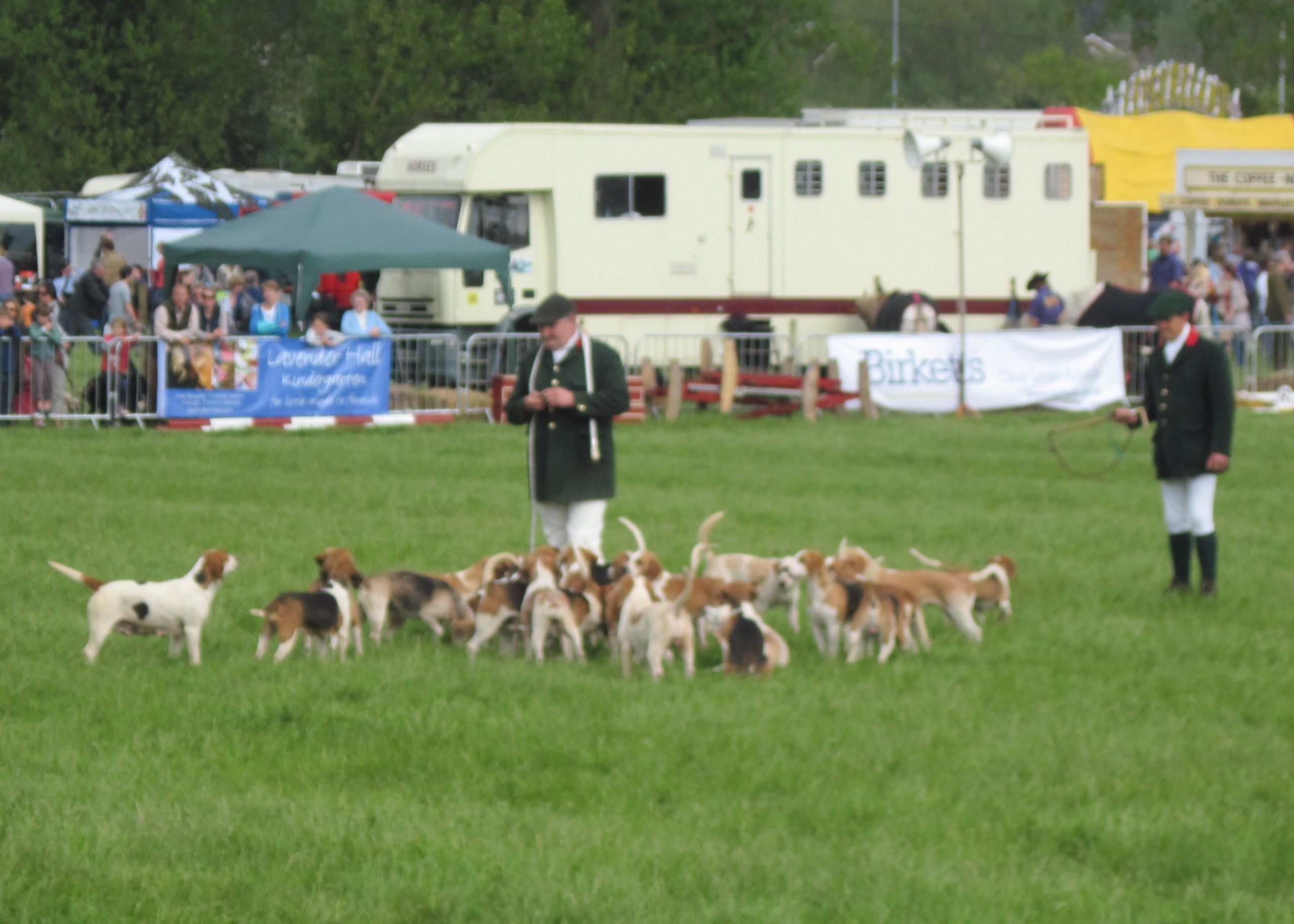

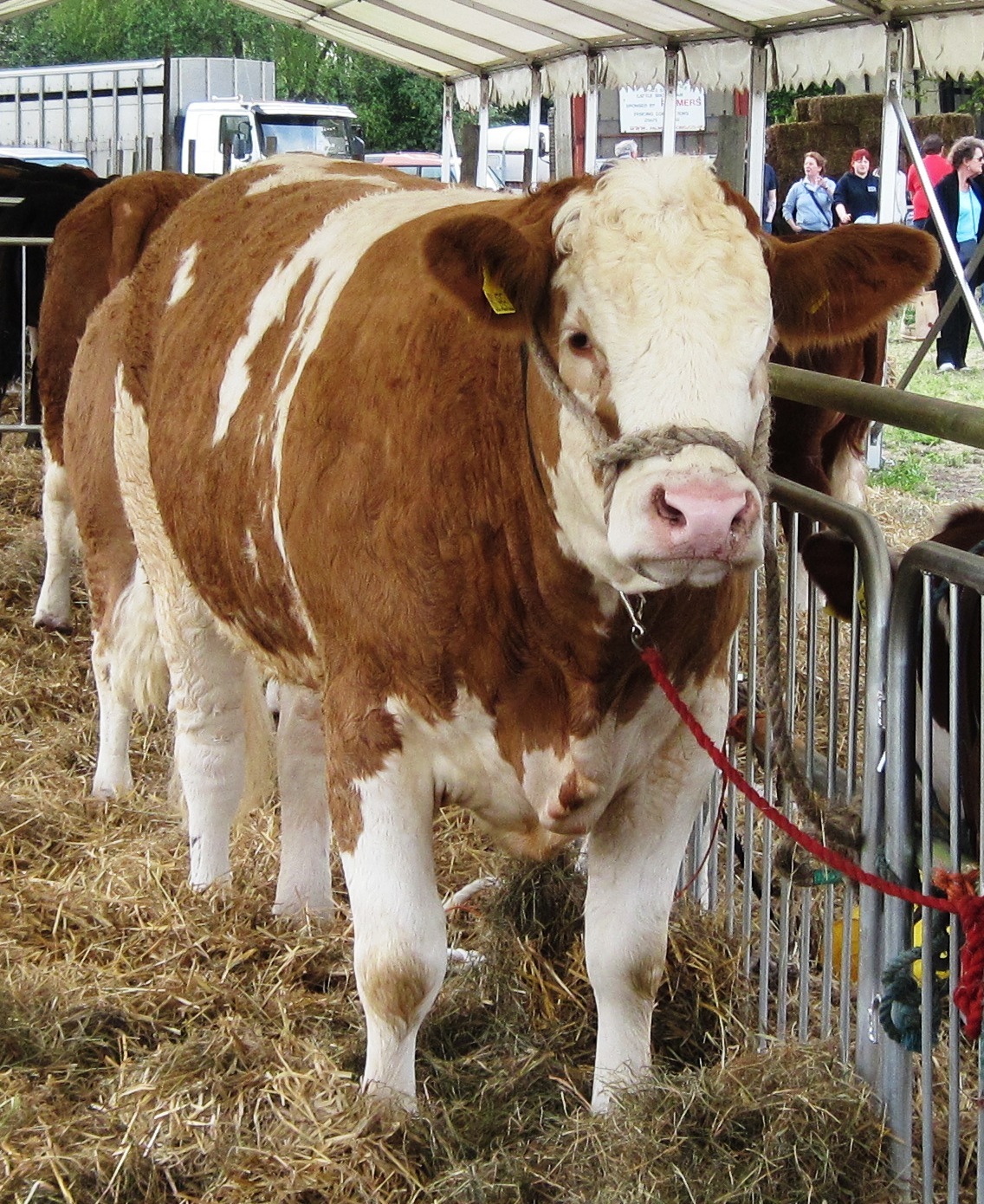
Today is the day of the Hadleigh Show. A great day out. But the foundation of the Show is its agricultural underpinnings and the countryside it supports. More details can be found on http://www.hadleighshow.co.uk/
After the Floods
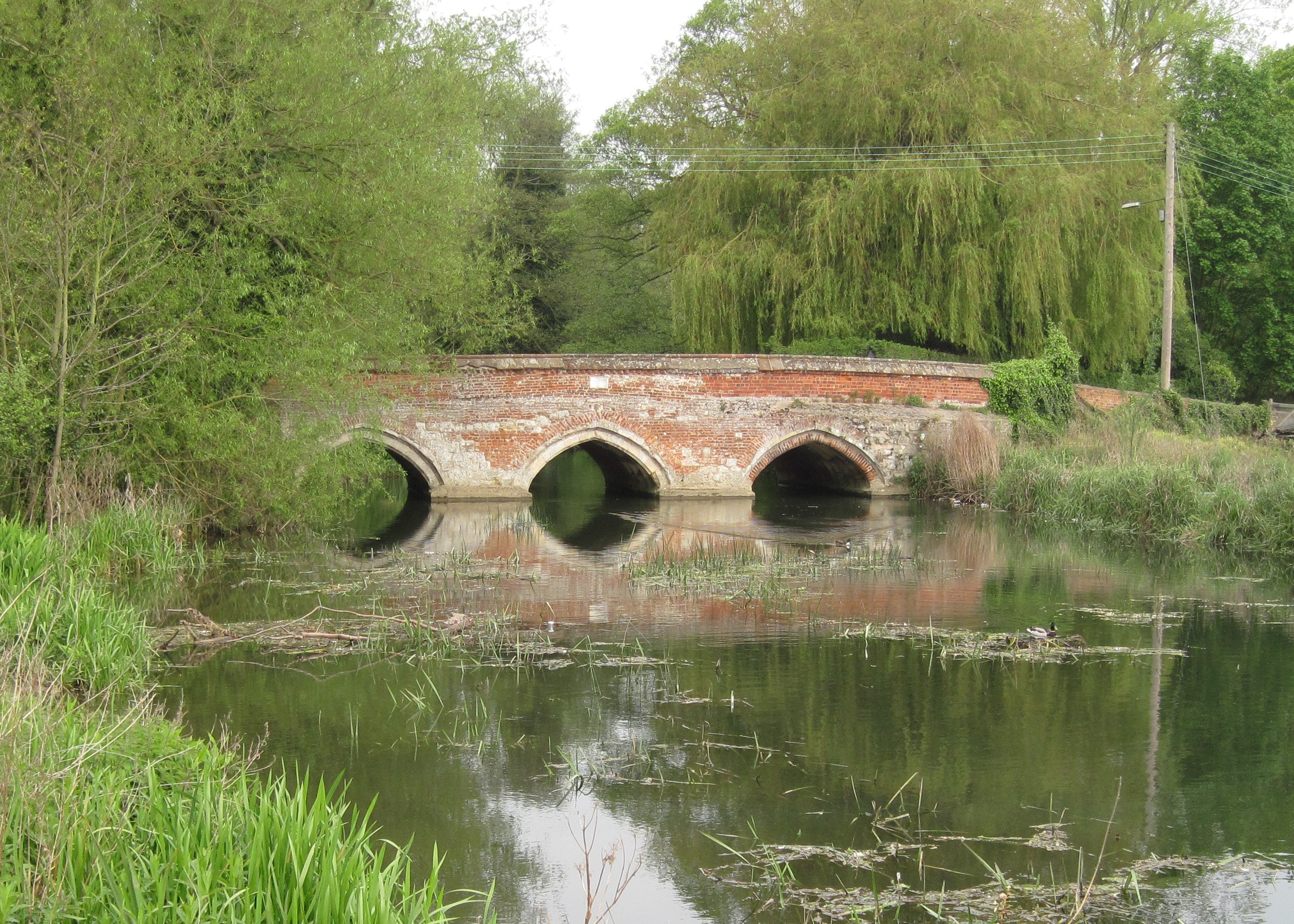
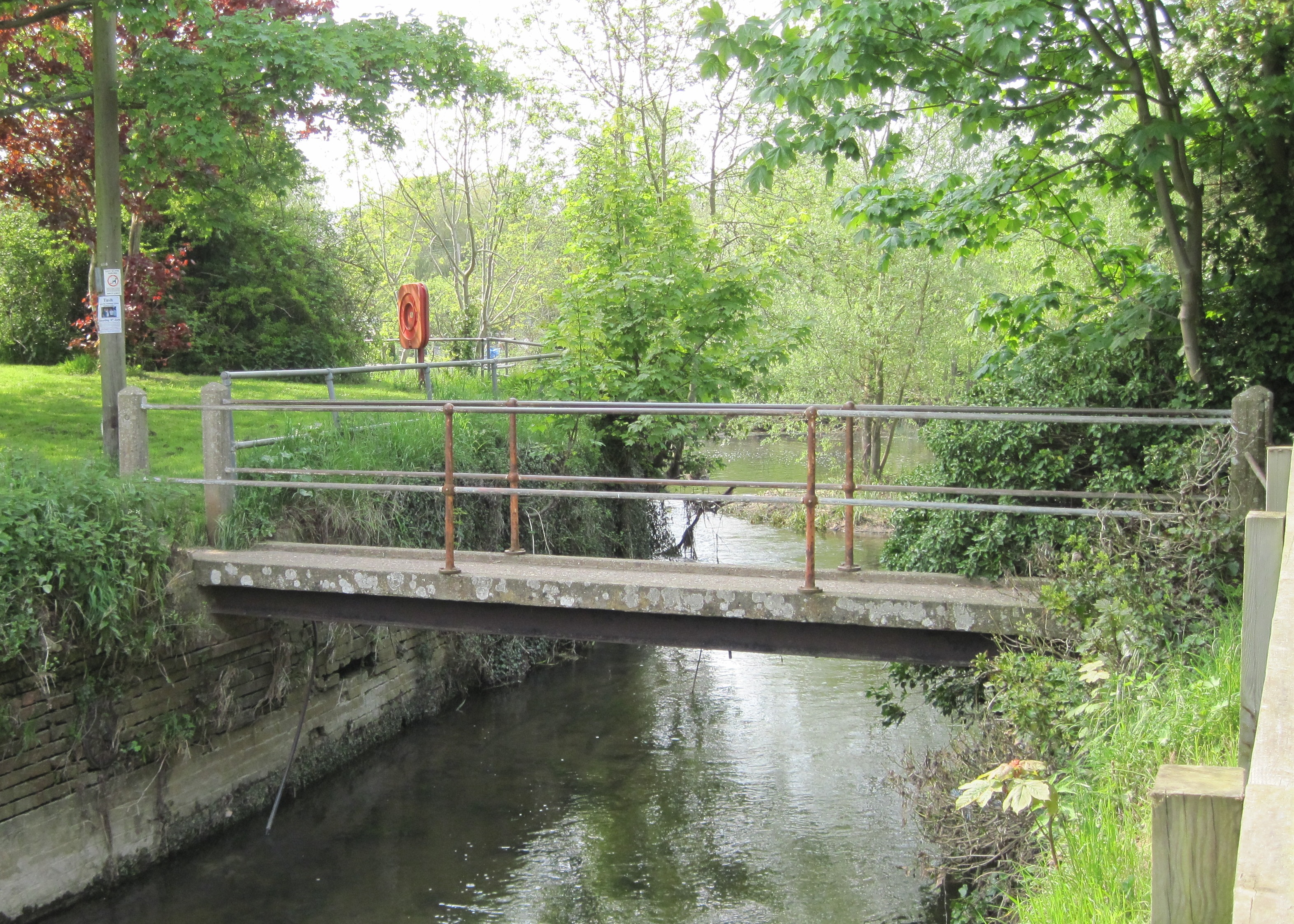
Today is the day of the Hadleigh Show. There has been much discussion as to whether the ground would be too soft for the fair and other heavy footprint machinery. But the rain held off and in the afternoon it was quite sunny. The River Brett is back to normal as the following show:
Spanish Practices
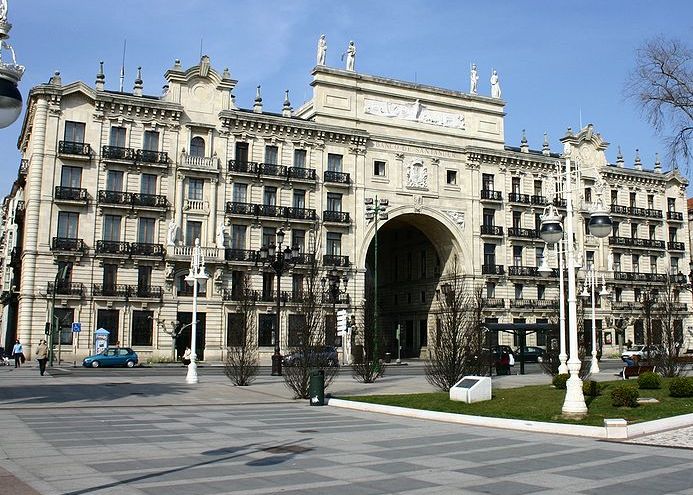 Early in 2010 Babergh District Council decided that it was time that we had a formal Treasury Policy. We had avoided placing surplus funds with the Icelandic banks and it was right that the Council formalised its deposit placing policy. A consultant’s report was commissioned and presented to the Overview & Scrutiny Committee (Stewardship). Strangely it suggested that placing deposits with Spanish banks would meet the Council’s requirements for prudency. There was a fair amount of argument and full Council finally decided that if the Consultant said so, it must be OK! No suggestion that there were other persons on the council who were equally in tune with economic trends and who thought that the Spanish economy was over ripe. Within three weeks of the Council’s decision the Spanish economy was downgraded and any deposit placing with any branch or subsidiary of Santander was prohibited.
Where Babergh leads other Councils follow. The digital version of MJ (presumably an updated name for the Municipal Journal) reports that “Several local authorities are considering whether to deposit money with the British arm of Spain’s biggest bank Santander, amid fears about the weakness of the Spanish economy”.
The full article can be found on http://www.themj.co.uk/MemberPages/Subscribe/article.aspx?id=188729
It’s hard to be humble!
Rain & Floods
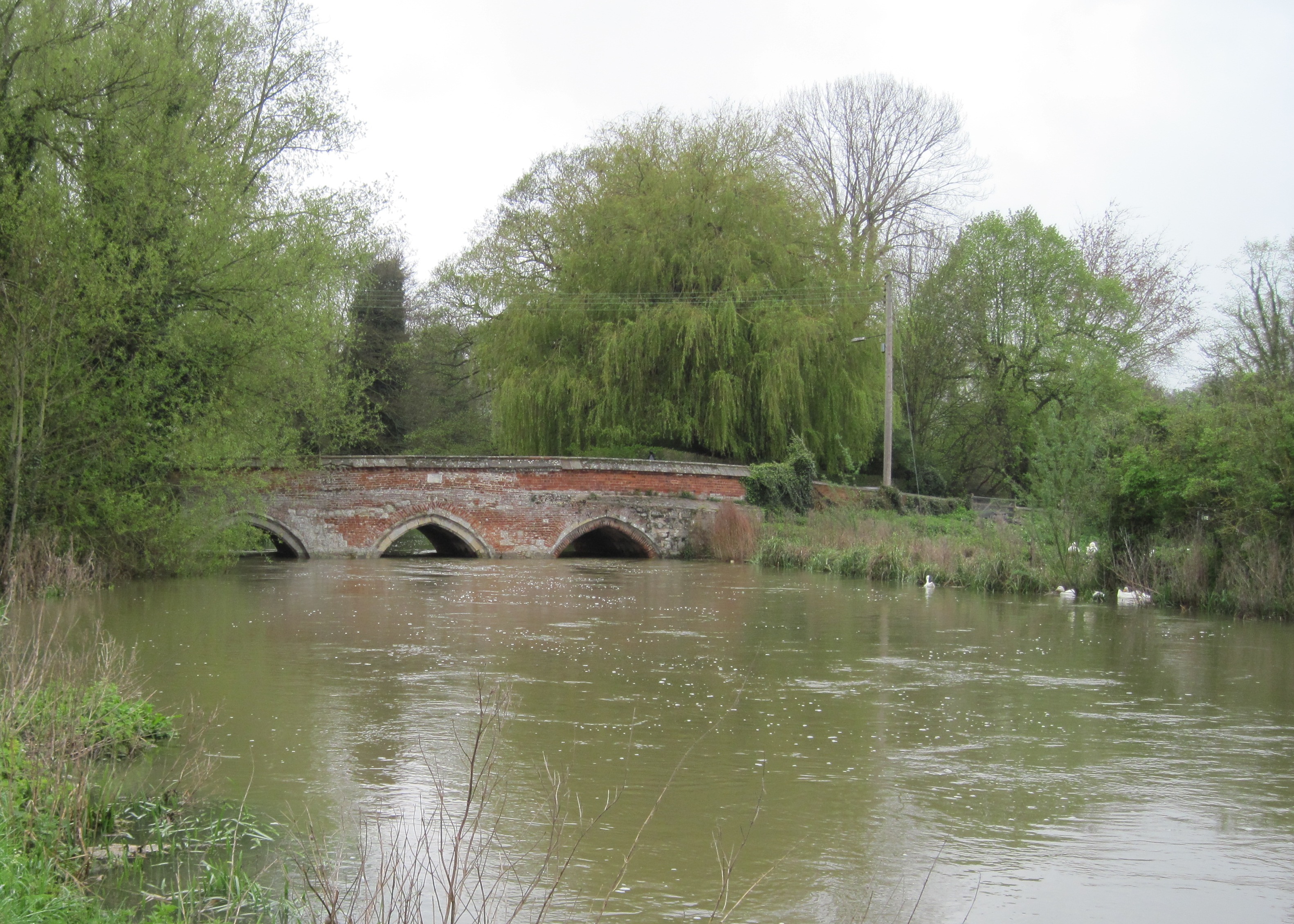

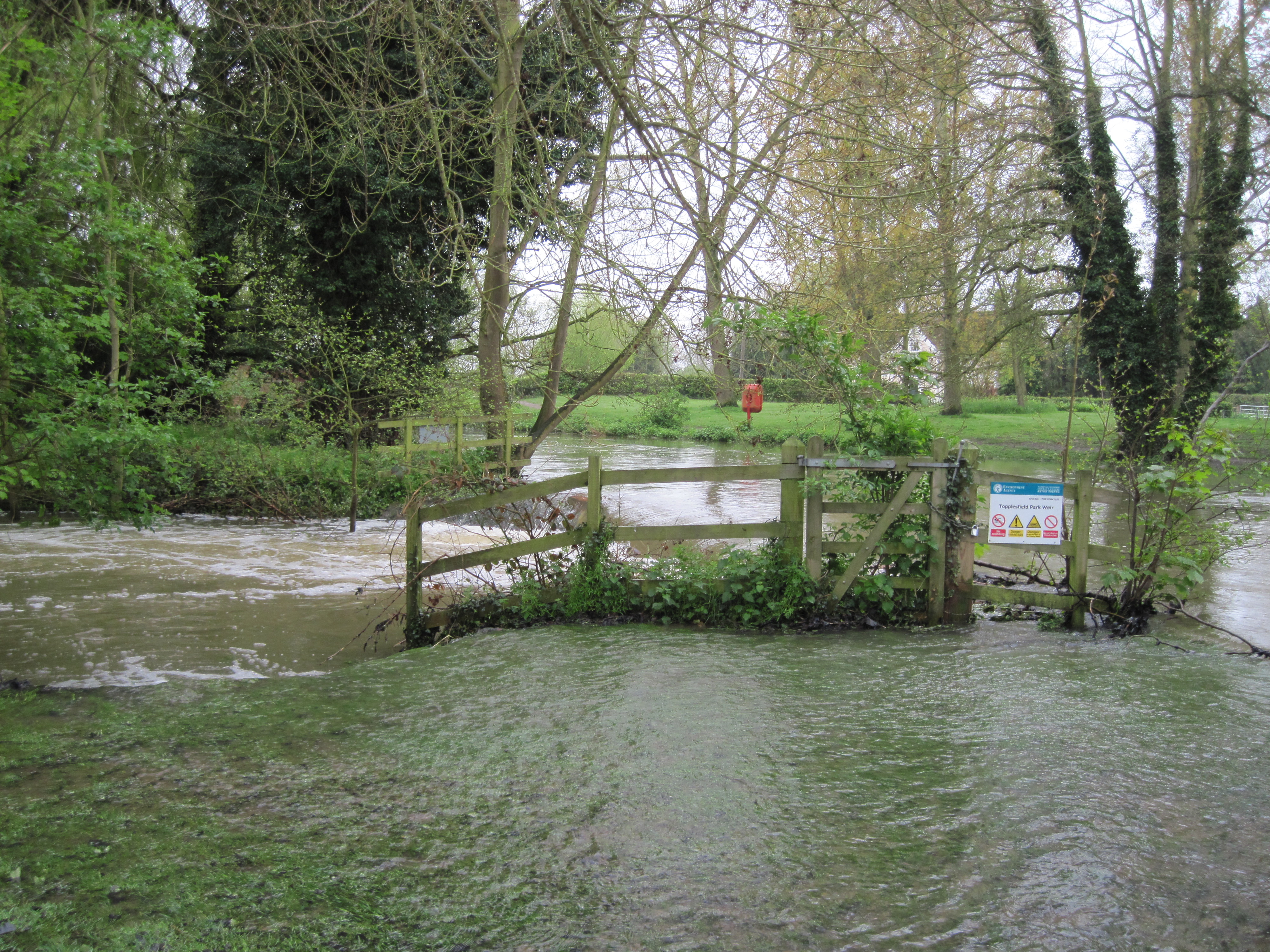 Thursday was quite heavy with rain. The River Brett overflowed its banks at various places around Hadleigh. By Friday the waters were still fast flowing but had abated a bit. The photo’s were all taken around 11 a.m.
 brian riley's blog